The controversy between Iran and Israel is one of the most enduring and complex geopolitical tensions in the Middle East. Rooted in decades of ideological rivalry, regional ambitions, and security concerns, this conflict has significant implications not only for the two nations involved but for global stability at large. In this article, we’ll explore the history, key turning points, and present-day developments that continue to fuel this intense dispute.
🔥 Origins of the Controversy Between Iran and Israel
Before 1979, Iran under the Shah maintained relatively cordial relations with Israel. However, everything changed after the Iranian Islamic Revolution. The new regime, led by Ayatollah Khomeini, adopted an anti-Zionist stance and rejected Israel’s right to exist.
The new ideology of the Islamic Republic framed Israel as an illegitimate occupier of Muslim lands, especially concerning the Palestinian cause. Since then, Iran has supported armed groups such as Hezbollah in Lebanon and Hamas in Gaza, which are openly hostile toward Israel.
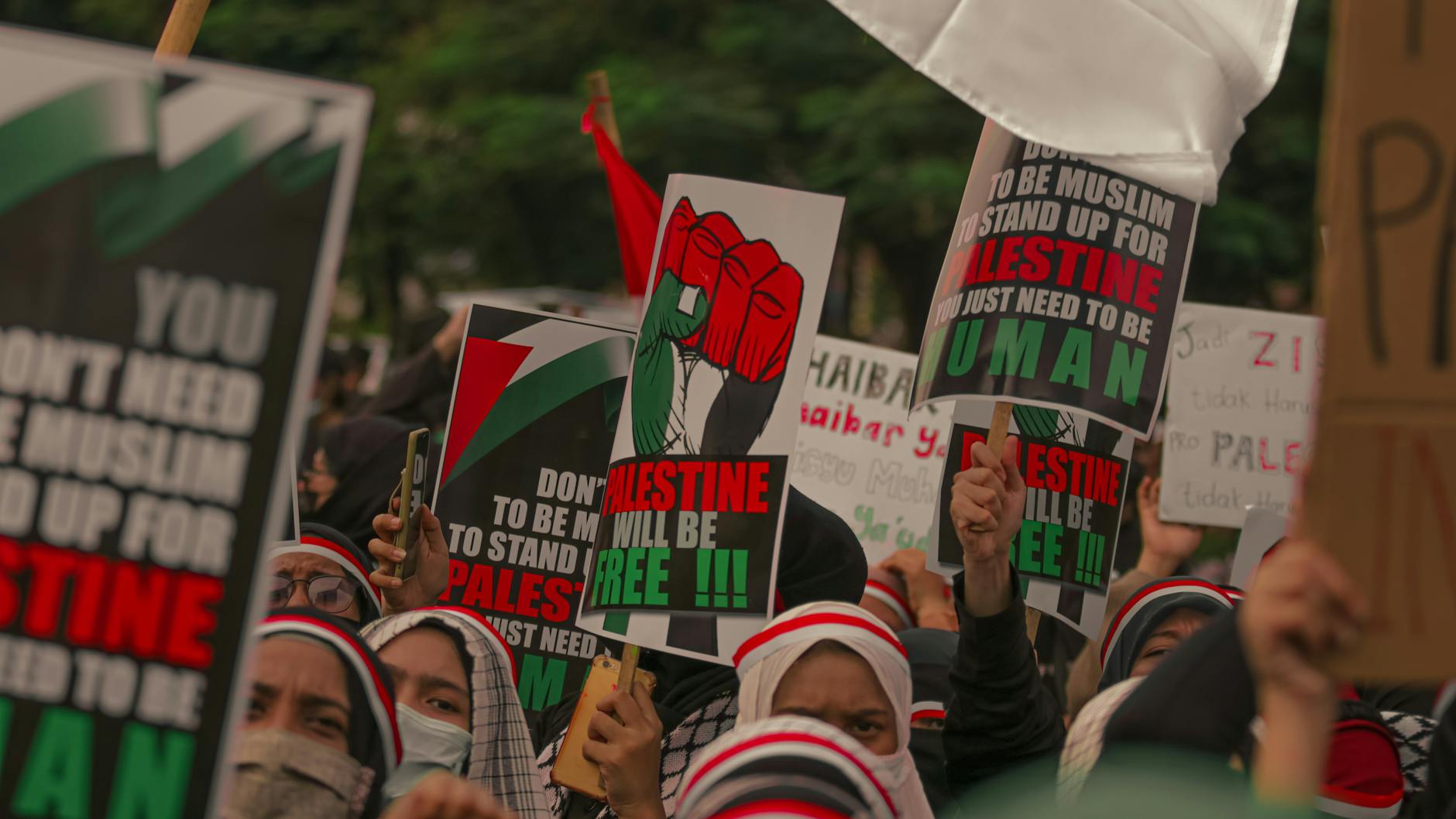
🧨 Key Flashpoints in the Controversy Between Iran and Israel
Several high-stakes events have escalated tensions:
- 2006 Lebanon War: Israel fought Hezbollah, Iran’s key ally, in a brutal month-long war.
- Nuclear program concerns: Israel has repeatedly warned the world about Iran’s nuclear ambitions, viewing it as an existential threat.
- Cyber warfare: Operations like Stuxnet, allegedly carried out by Israel and the U.S., targeted Iran’s nuclear infrastructure.
- Assassinations: Multiple Iranian nuclear scientists have been killed in attacks widely attributed to Israeli intelligence.
Each incident not only worsened diplomatic relations but also drew international players into the conflict.
🛰️ The Regional Impact of the Controversy Between Iran and Israel
This controversy isn’t confined to Iran and Israel. It has ripple effects across the entire region:
- Gulf states like Saudi Arabia and UAE have grown closer to Israel, partly due to their shared opposition to Iran.
- Syria’s civil war became a proxy battleground, where Israel bombed Iranian supply routes to Hezbollah.
- Iraq and Yemen face political instability due to competing Iranian and Israeli-aligned interests.
🤖 Media Narratives Around the Controversy Between Iran and Israel
The media coverage of this topic often reflects geopolitical alignments. Western media tends to highlight Israel’s security concerns and Iran’s nuclear threats. On the other hand, Iranian state media frames Israel as a colonizer and aggressor.
This media divide contributes to public misunderstandings and fuels anger on both sides.
Creators like Mehdi Hasan and Ben Shapiro, representing different viewpoints, have passionately debated this issue, demonstrating how divided public opinion is globally.
🤝 Is Peace Possible in the Controversy Between Iran and Israel?
Despite the deep-rooted hostility, some glimmers of hope exist:
- Track II diplomacy – informal discussions between academics and ex-officials from both countries.
- UN efforts – although limited, UN resolutions call for de-escalation and mutual recognition.
- Abraham Accords – these agreements between Israel and several Arab countries could create pressure on Iran to engage diplomatically.
However, without a shift in ideological and political postures from both sides, peace remains distant.
🧩 Conclusion

The controversy between Iran and Israel is a multifaceted clash shaped by history, religion, ideology, and politics. While military standoffs and media battles continue, the real question is whether future generations will have the courage to break free from the cycles of hostility.
What’s your perspective on this controversy — do you think lasting peace is possible, or are these nations destined to remain adversaries? Let us know your thoughts in the comments.