Football is more than just a game of goals—it’s a game of strategy. Over the decades, the evolution of football tactics has shaped the beautiful game we watch today. From the rigid structures of the 4-4-2 formation to the relentless pressing seen in teams like Liverpool or Manchester City, tactics have become smarter, faster, and more fluid.
Let’s take a journey through time to explore how tactics in football have changed and what that means for players, coaches, and fans alike.
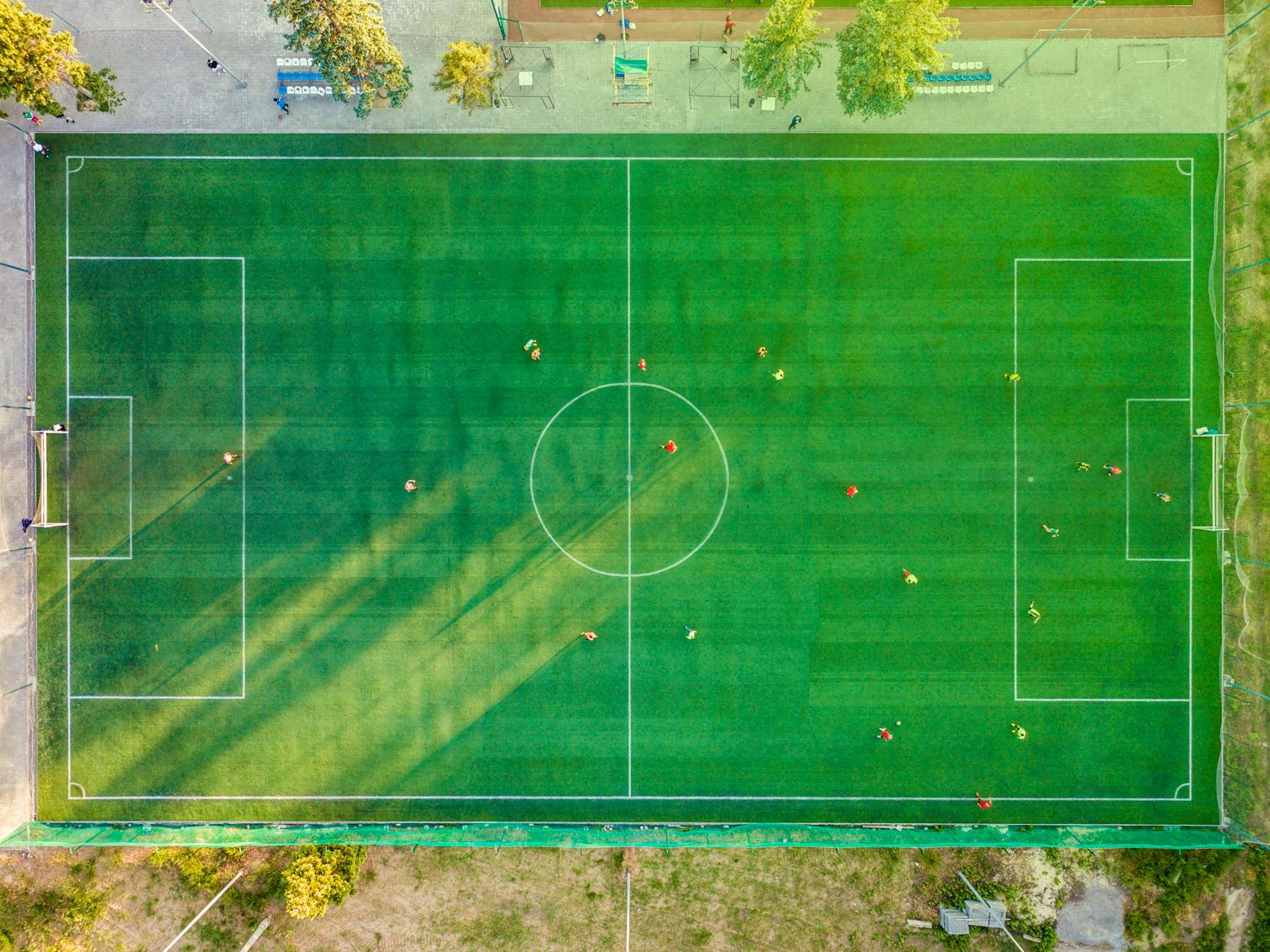
⚽ The Classic Era: 4-4-2 Dominates
In the 1980s and 1990s, the 4-4-2 formation was the gold standard. With four defenders, four midfielders, and two forwards, it provided a balanced approach to attacking and defending. Clubs like Manchester United under Sir Alex Ferguson mastered this system.
Why it worked:
- Simple structure
- Good defensive support
- Easy to coach across different levels
But as football became faster and teams needed more midfield control, this tactic began to lose its edge.
🧠 Tactical Shifts: The Rise of 4-3-3 and 4-2-3-1
By the 2000s, clubs started experimenting with formations like 4-3-3 and 4-2-3-1. These provided more flexibility and control in the midfield. The change allowed wingers to become more attacking, and defensive midfielders emerged as tactical weapons.
Think of Pep Guardiola’s Barcelona—they revolutionized the use of midfielders as the heartbeat of the team.
Benefits of these systems:
- Overload in midfield
- Better ball possession
- Versatility in attack
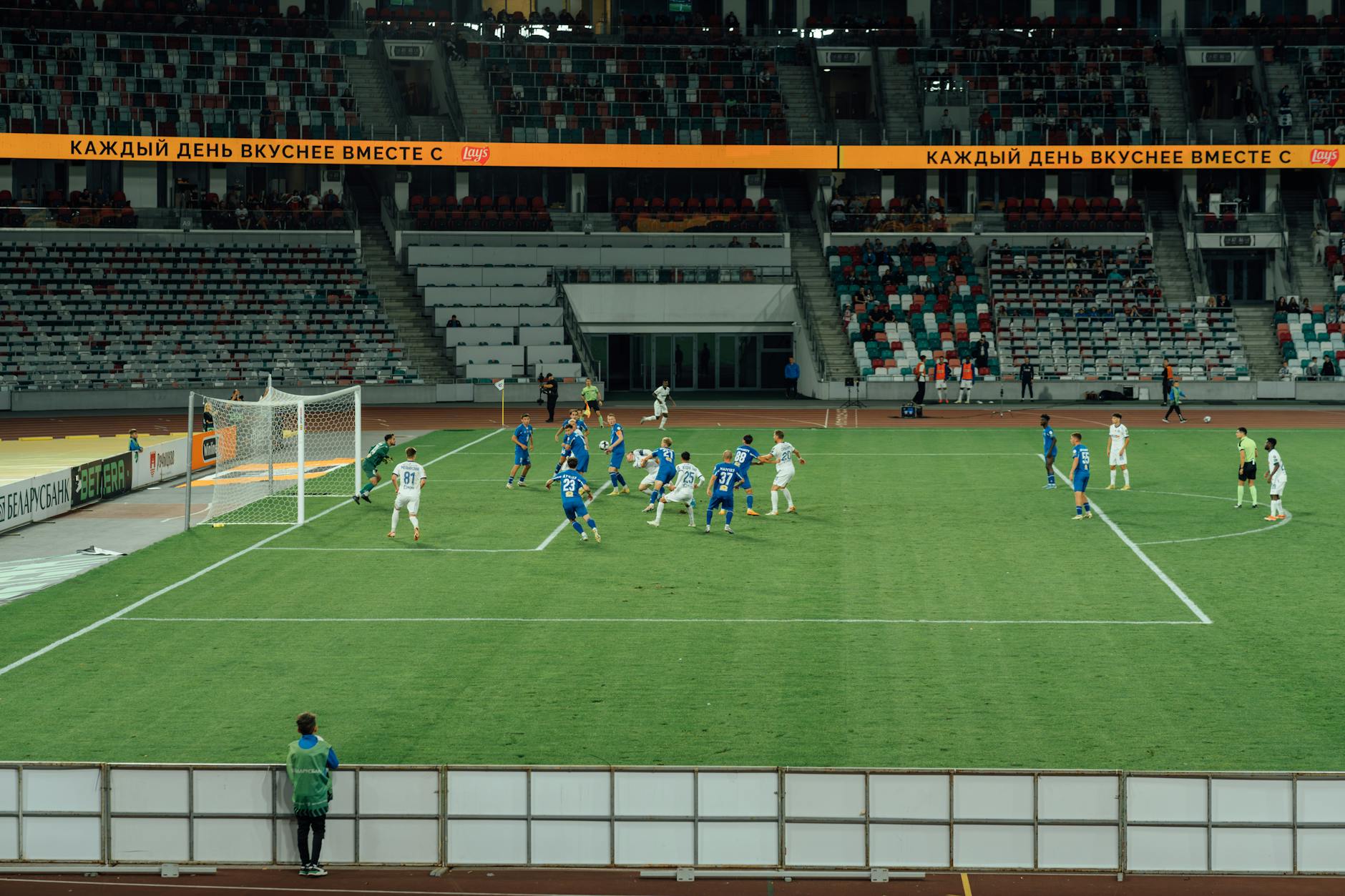
🔄 Total Football & Tiki-Taka: A New Dimension
Dutch football under Johan Cruyff introduced “Total Football,” where players could swap positions freely. Later, tiki-taka by Spain and Barcelona emphasized short, quick passes and maintaining possession at all costs.
Notable Features:
- High technical skill
- Quick transitions
- Spatial awareness
These styles mesmerized fans and changed how coaches viewed positioning and movement.
💥 Modern Pressing and High Lines: Klopp & Guardiola Era
Today, the trend has shifted toward intense pressing and high defensive lines. Managers like Jürgen Klopp with his “Gegenpressing” and Guardiola with his positional play have set a new bar.
Teams now press high, recover the ball quickly, and strike fast. The physical and mental demand on players has increased significantly.
What defines modern pressing tactics:
- High energy and fitness
- Winning the ball in the opponent’s half
- Fast decision-making
It’s not just about formation anymore—it’s about principles of play.
📊 Technology’s Role in Tactical Evolution
Modern tactics are powered by data analytics, GPS tracking, and video analysis. Coaches can track player movements, fatigue levels, and even tactical errors in real-time.
Apps and tools like Wyscout, StatBomb, and InStat are commonly used by top-tier clubs and grassroots teams alike.
👥 Key Players and Coaches Who Redefined Tactic
These visuals will help tell the story of how the game evolved.Pep Guardiola – Mastermind of positional play and inverted full-backs
Jürgen Klopp – Pioneer of high pressing and vertical play
Marcelo Bielsa – Known for man-marking and intense fitness training
Carlo Ancelotti – Adaptable across tactical eras
Andrea Pirlo & Busquets – Redefined the deep-lying playmaker role
🏁 Conclusion
The evolution of football tactics is a story of adaptation, innovation, and brilliance. From the simple 4-4-2 to the pressing machines of today, the tactical side of football keeps growing. Whether you’re a coach, fan, or aspiring analyst, understanding this evolution helps you see the game with new eyes.
What do you think will be the next big tactical shift in football?
Drop your thoughts in the comments below!