Russian An-24 Missing: Crash Update & Investigation Insight
A Russian Antonov An‑24 aircraft, operated by Angara Airlines, went missing on July 24, 2025, while approaching the city of Tynda in Russia’s Far East. The plane, which had nearly 50 passengers and crew onboard, vanished from radar during its second attempt to land amid poor visibility and harsh weather. Within hours, debris and a burning fuselage were discovered about 15 km from the airport, confirming the crash.
Sadly, no survivors have been reported. This incident has raised serious concerns about the use of aging Soviet-era aircraft, harsh regional flying conditions, and the current state of Russia’s aviation infrastructure.
What We Know So Far
According to official reports, the aircraft was on a domestic flight from Irkutsk to Tynda. The Washington Post reported that the An-24 disappeared from radar just minutes before its scheduled landing.
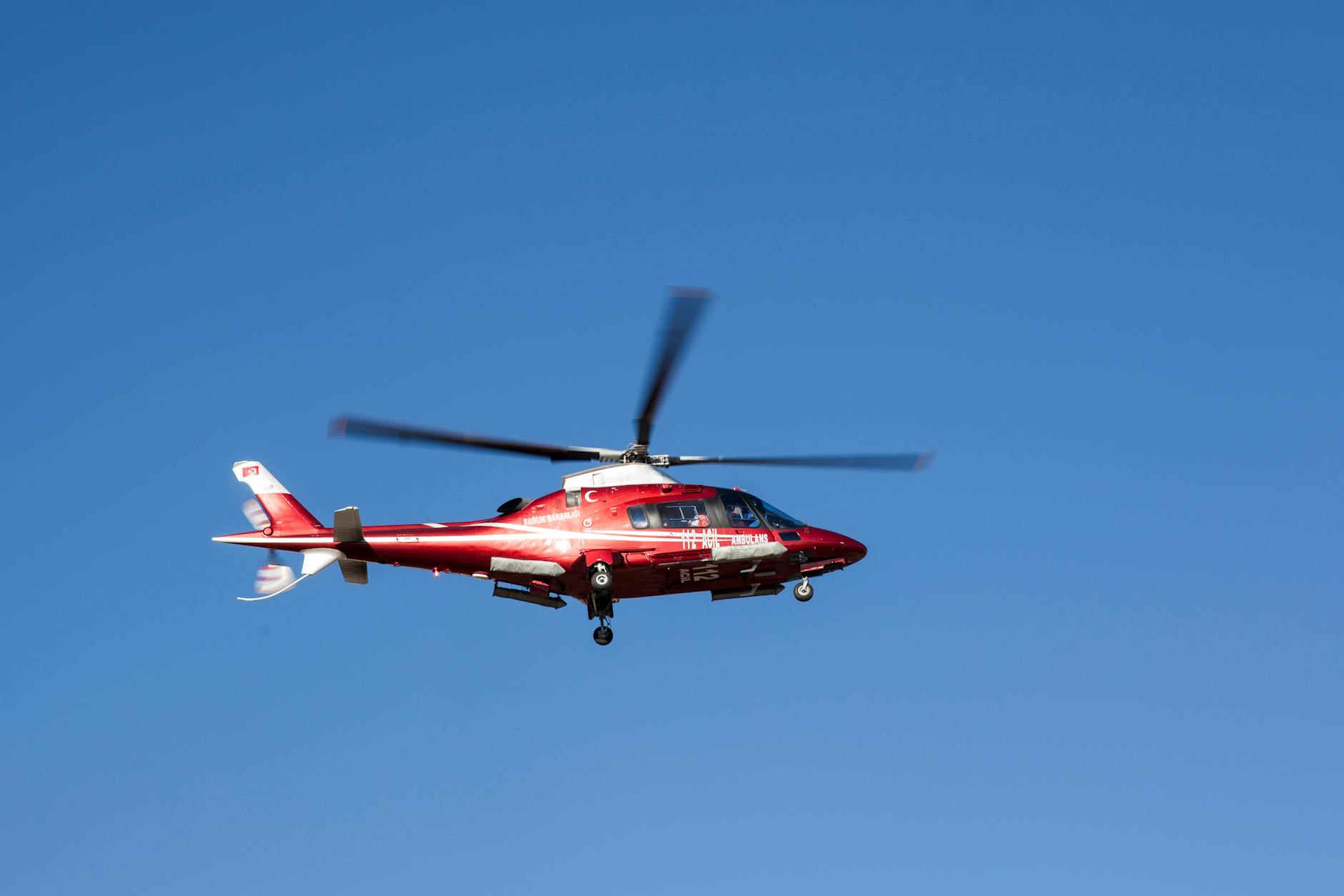
A Mi-8 search helicopter located the crash site in a remote forested area shortly after radar contact was lost. Rescue teams encountered severe terrain and weather, making recovery efforts difficult.
Authorities have confirmed that five children were among the passengers. The Reuters report also noted that the crash likely occurred during the plane’s second approach, suggesting that visibility and navigation issues played a significant role.
The Role of Aging Aircraft in Remote Russian Regions
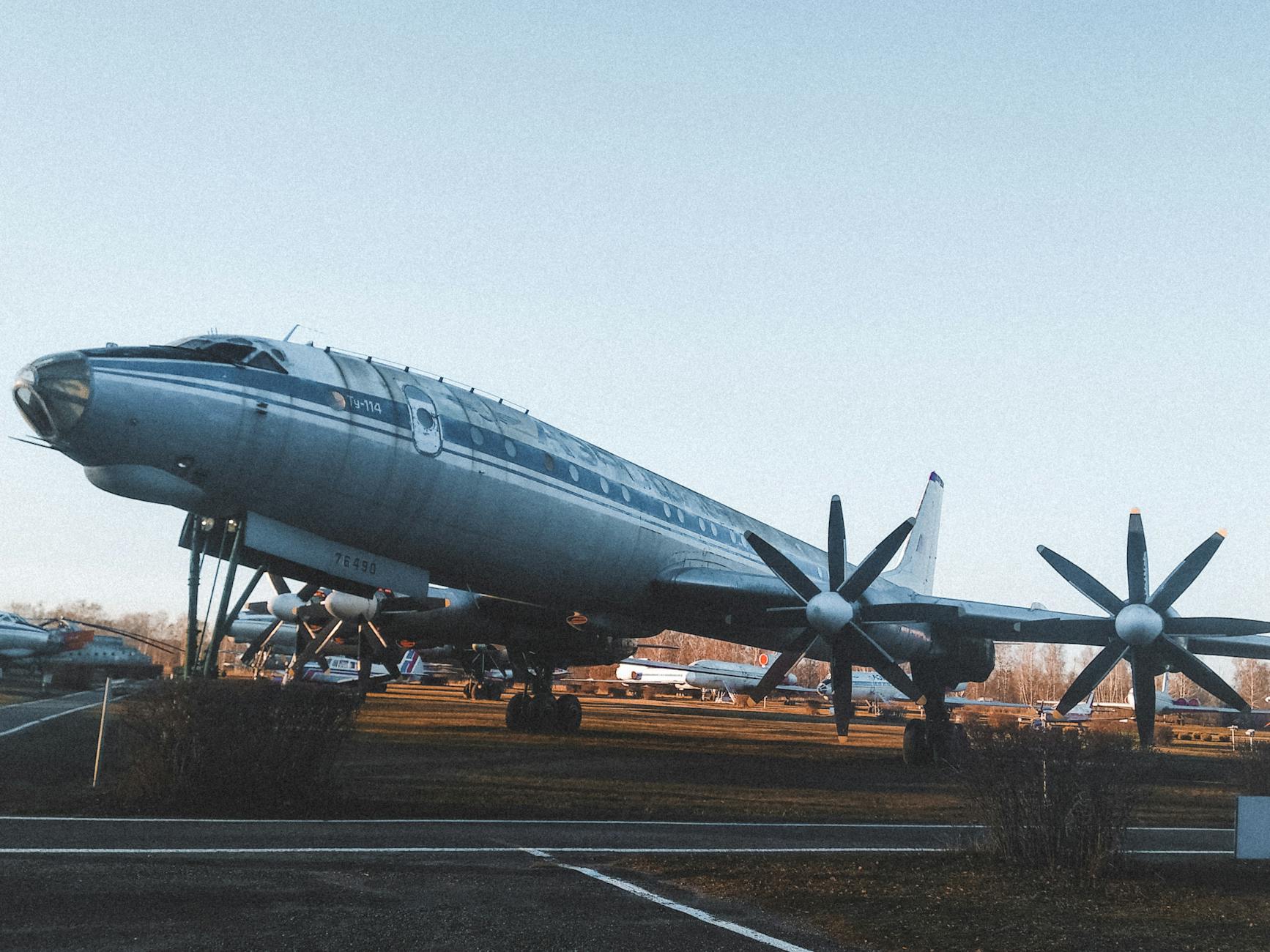
Many regions in Russia still rely on aircraft such as the Antonov An‑24, developed in the 1960s. The plane involved in this incident was nearly 50 years old. In areas like the Amur region, rugged terrain and underdeveloped transportation infrastructure make these aircraft essential, despite their age.
Due to international sanctions and limited access to modern replacement parts, Russian airlines often maintain and operate older aircraft longer than global safety norms would recommend.
According to aviation experts, the An‑24 is often referred to as a “flying tractor” due to its durability but also its outdated design.
Aviation analyst Vadim Bazykin told The Guardian that the lack of modern avionics and real-time weather detection systems could have contributed to the crash.
Investigation Underway
The Russian Ministry of Emergency Situations and the Interstate Aviation Committee have launched a full investigation into the crash. Officials are focusing on:
- Weather conditions during the landing
- The aircraft’s mechanical condition
- Communication logs and black box data
Initial assessments suggest a technical malfunction or pilot miscalculation in low visibility. The Euronews report highlighted that this is not the first time similar issues have occurred in the region.
Timeline of the Russian Plane Missing Incident
- 1:05 PM local time: Aircraft disappears from radar during its final descent.
- 1:30 PM: Local authorities dispatch helicopters and emergency teams.
- 2:15 PM: Debris and a burning fuselage found 15 km from Tynda Airport.
- Evening: Officials confirm no survivors. The president is briefed, and investigations begin.
Reuters noted that several families had gathered at the airport and were later transported to a crisis center for support.

Why This Matters to Global Travelers
This crash shines a light on the ongoing aviation safety issues in remote regions, not just in Russia but globally. Here’s what you should consider:
Flying Over Remote Territories
Travelers flying to or over mountainous or forested areas, particularly in nations with aging fleets, should research:
- The airline’s safety records
- Aircraft models used
- Emergency response readiness
The Broader Impact on Aviation Standards
This incident may prompt international aviation bodies to pressure governments operating outdated aircraft to modernize their fleets. According to the Flight Safety Foundation, such events often serve as catalysts for new aviation policies or upgrades.
Related Read: How Global Tensions Shape Economic Policy
If you’re interested in how geopolitical tensions like air disasters and trade disputes affect economies, check out our guide on US Canada Markets Looming Tariffs: Full Investor Guide.
This article explores the impact of political decisions on investment behavior and supply chain strategy.
Final Thoughts
The Russian plane missing tragedy reminds us how critical aviation safety is—especially when lives are at stake in hard-to-reach places. As international authorities investigate the cause, we must ask ourselves:
Should older planes like the An‑24 be permanently retired, or can upgrades make them safe enough for continued use?
Let us know your thoughts in the comments below.