Introduction
Technology in 2025 isn’t just improving — it’s transforming how we interact, work, and think. From AI-powered homes to ambient wearables, tech gadgets future trends are blurring the line between the digital and real world. But as we dive deeper into innovation, it’s also essential to ask: Are we staying in control, or just keeping up?
If you’re thinking about this, too, you’ll appreciate our piece on Digital Burnout Is Real and How to Reclaim Your Mind — a perfect companion read for anyone navigating high-tech life.

The Rise of Smart Glasses and AI-Driven Wearables
Smart glasses are making a serious comeback. Meta’s latest Ray-Ban collaboration showcases smart lenses that respond to voice commands, capture images, and even translate in real-time — redefining mobile interaction (The Verge).
These wearables are less about showing off and more about blending seamlessly into daily life. It’s a subtle evolution — one that signals a future with fewer screens and more ambient interfaces (Wired).
Smarter Homes with Predictive Tech
Today’s smart homes don’t just respond; they anticipate. With AI sensors and behavioral data, systems like Amazon Alexa and Google Nest adapt in real-time — from adjusting lighting to detecting unusual movement when you’re away.
According to Homes & Gardens, new developments in adaptive home systems are making homes more personalized, energy-efficient, and secure. This evolution pushes tech gadgets future trends toward a new era of calm technology — tech that works in the background and supports a more mindful lifestyle.
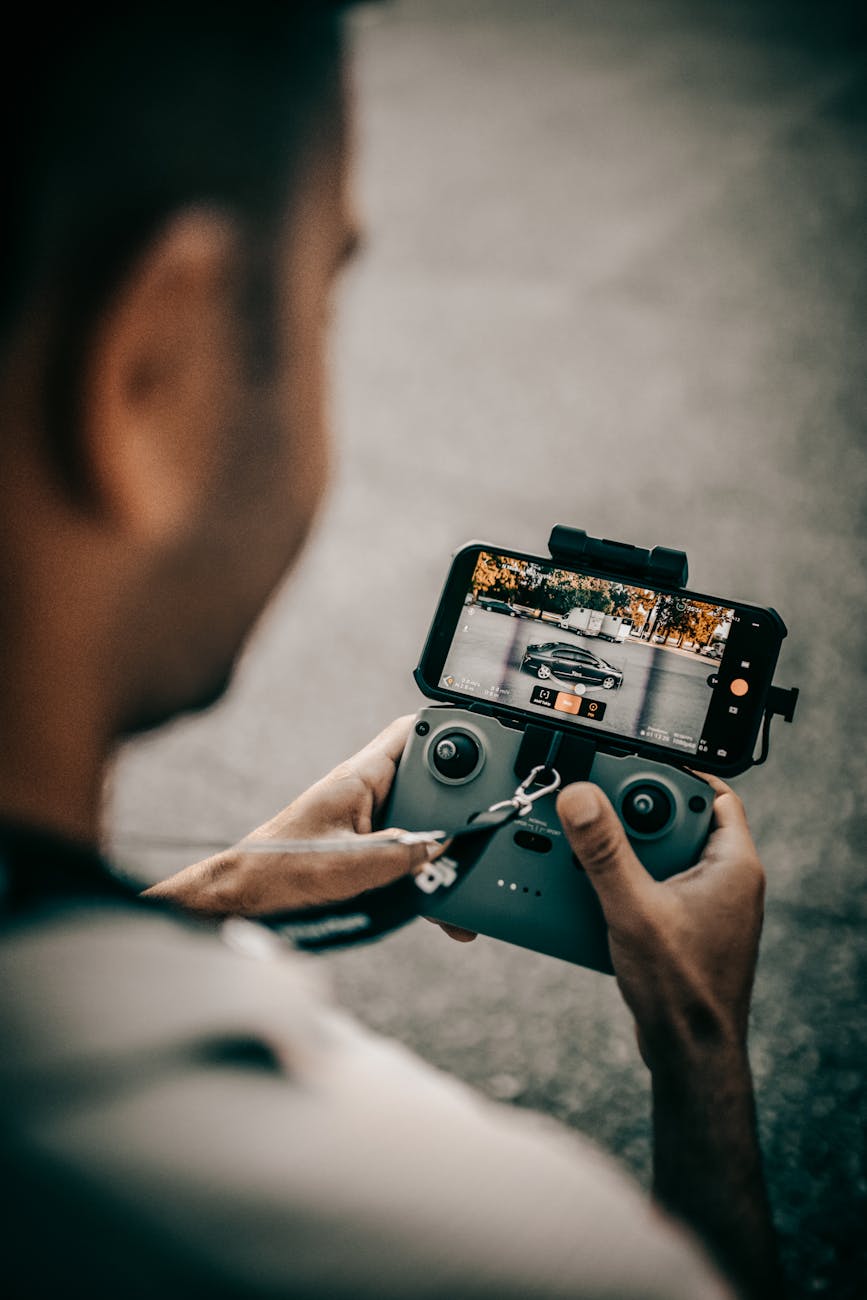
Wearables Expand: Earables, Smart Rings & Health Tech
We’re moving beyond smartwatches. Devices like the Oura Ring and earable health trackers are changing how we approach fitness, sleep, and mental wellness. Some of these even detect stress levels through voice tone analysis or ear canal sensors (TechCrunch).
This shift mirrors a larger cultural move toward discreet, always-on wellness tools — tools that don’t demand our constant attention but still keep us in the loop.
The Future of Connectivity: 6G and Edge Intelligence
As we head toward 6G and edge computing, connectivity is no longer about speed — it’s about presence. Researchers are already testing holographic calls, multi-sensory interfaces, and real-time environmental sensing over next-gen networks (McKinsey).
Add to that the rise of quantum processors and AI acceleration chips, and you’ve got a world where everything — from city traffic to your microwave — is part of a responsive, distributed system (Gartner).
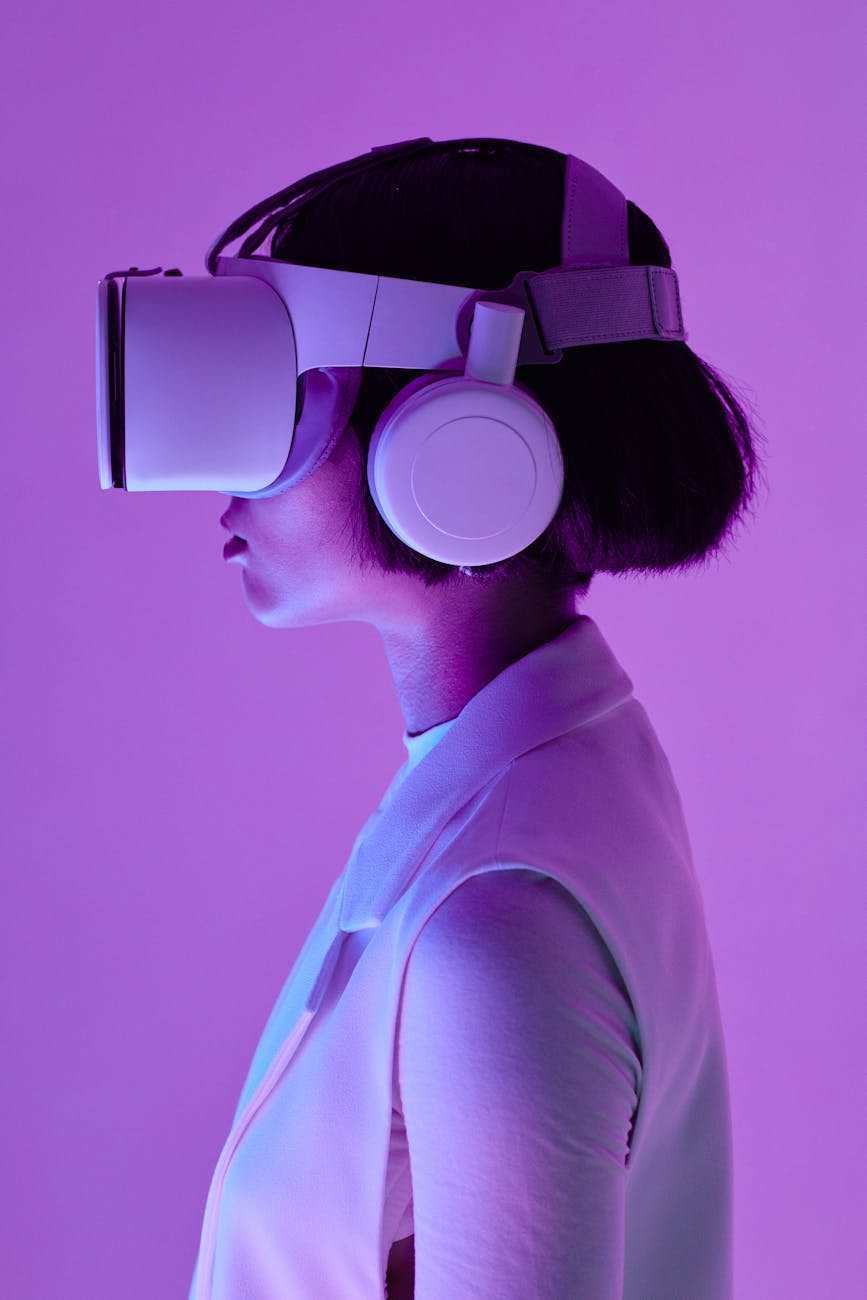
Flip Phone Revival: A Countertrend Worth Watching
Ironically, one of 2025’s hottest tech trends is… low tech. Gen Z is embracing flip phones and disposable cameras in what’s being called a “Digital Detox Revolution” (New York Post).
This movement isn’t anti-tech — it’s a push for boundaries. People are craving mental space and are actively stepping back from overstimulation. It ties perfectly into our earlier article on Digital Burnout, where we explore how stepping away can be the smartest tech move of all.
Calm Technology: The Art of Quiet Innovation
The term calm technology refers to devices that function without demanding attention — a necessary antidote to overstimulation. Think ambient indicators, haptic notifications, and UI minimalism.
If you’re building content or products, this is your design goal: invisible yet helpful. It aligns with what Deloitte calls “tech empathy” — making digital tools serve without overwhelming.
Conclusion
From intuitive homes and stylish smart glasses to retro devices making a comeback, tech gadgets future trends in 2025 are diverse, exciting, and deeply personal. Whether you’re all-in on innovation or craving calm, the future offers space for both.
Which tech trend are you most excited about — and which one do you think will actually improve your life?