How to Blend Traditional Arabic Design with Modern Style
Combining traditional Arabic design with modern style is more than just mixing furniture — it’s about preserving cultural heritage while embracing fresh, contemporary trends. This approach creates spaces that feel timeless, warm, and deeply personal.
In this guide, we’ll explore design principles, materials, and styling techniques to achieve a perfect harmony between old-world charm and modern sophistication.
Understanding Traditional Arabic Design
Traditional Arabic interiors are known for their intricate patterns, geometric motifs, and rich textures. Key elements include:
- Ornamental arches and mashrabiya screens
- Low seating like majlis arrangements
- Luxurious textiles in deep, warm tones
- Hand-carved wooden furniture
- Arabic calligraphy and mosaic art
The goal is to maintain these beautiful features while introducing modern minimalism and functionality.
The Balance Between Heritage and Minimalism
Modern style favors clean lines, open spaces, and a neutral palette, while Arabic design embraces detail, pattern, and warmth. Striking the right balance means choosing which traditional elements to highlight without overwhelming the space.
For example, you can retain the majlis seating but pair it with streamlined coffee tables and neutral walls for a modern update.
Choosing the Right Color Palette
Color plays a major role in blending these styles.
- Base Colors: Stick to neutral shades like beige, cream, or soft gray to create an airy modern backdrop.
- Accent Colors: Introduce jewel tones — emerald green, ruby red, and sapphire blue — through cushions, rugs, or artwork to reflect Arabic heritage.
- Metallic Touches: Gold and brass accents in lamps or mirrors can connect both styles seamlessly.
Mixing Materials and Textures
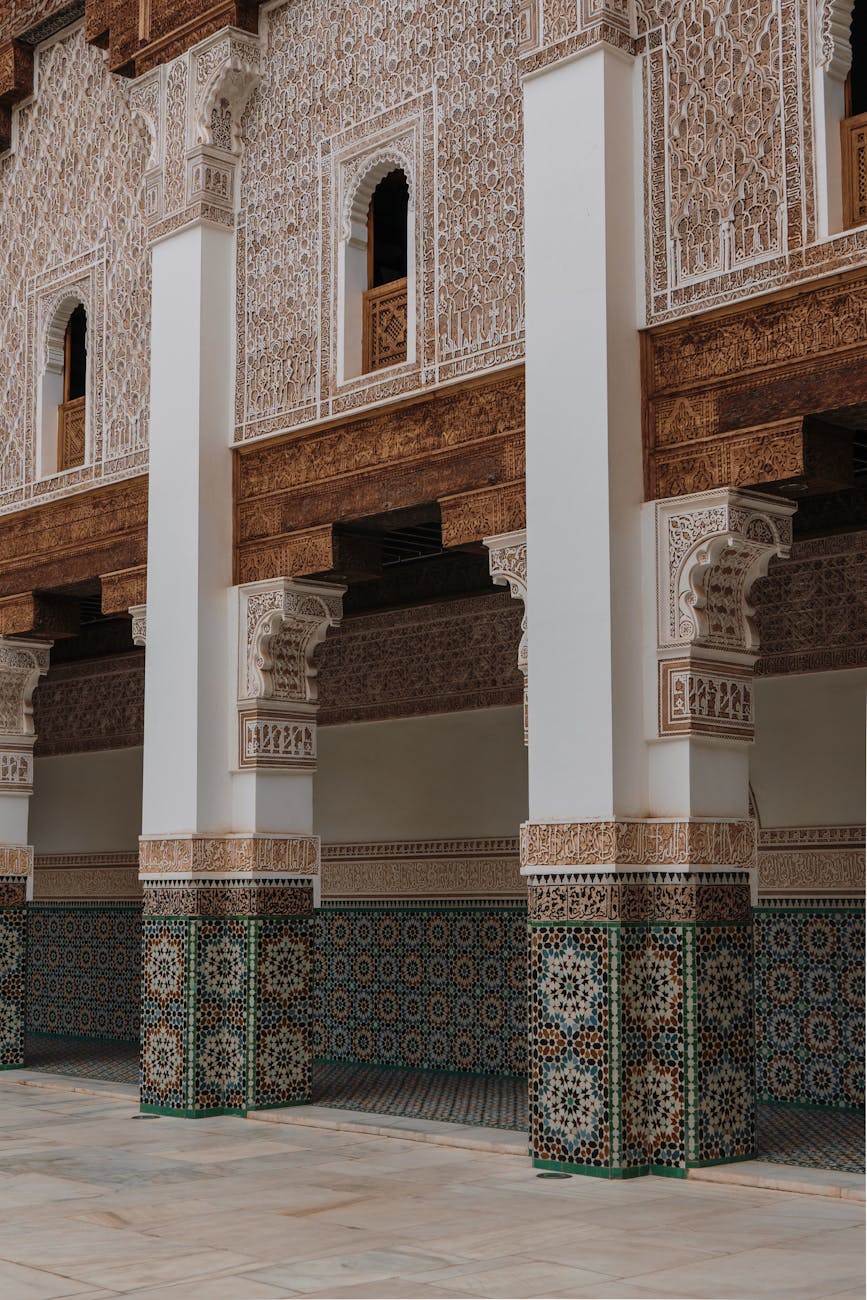
The richness of Arabic design comes alive through materials. Combine traditional craftsmanship with modern finishes:
- Pair handwoven rugs with polished marble or wood flooring.
- Use carved wooden screens against sleek glass panels.
- Mix velvet cushions with linen sofas for tactile variety.
Modernizing Arabic Furniture
Keep the charm of traditional Arabic furniture but adapt it to today’s lifestyle.
- Opt for low seating but in slimmer, more minimal silhouettes.
- Replace heavy wood tones with lighter stains for a fresher look.
- Keep patterns in smaller doses — perhaps on throw pillows rather than full upholstery.
For living room inspiration, you can explore ideas from Warm Minimalist Living Room Design Ideas for a Cozy Modern Home.
Incorporating Statement Lighting
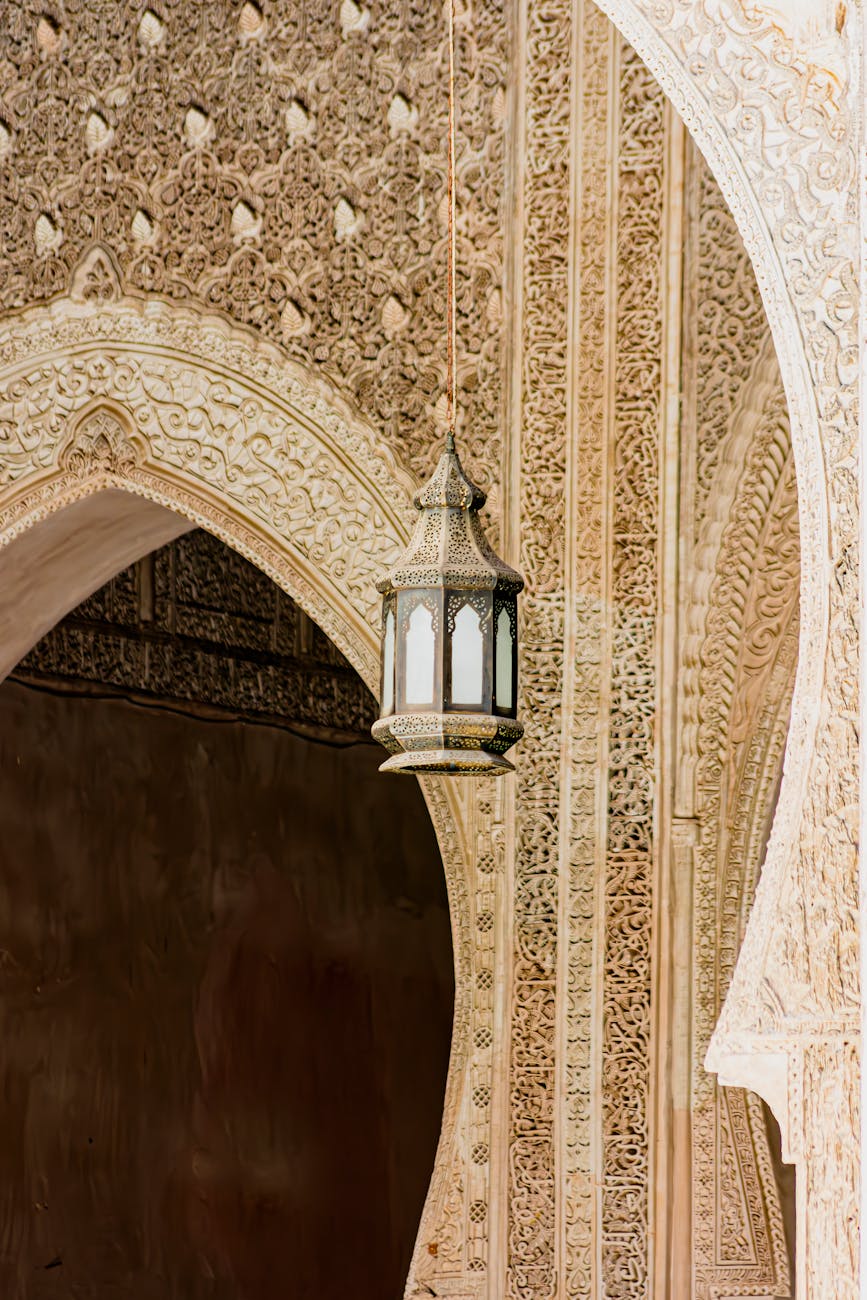
Arabic interiors often feature ornate lanterns and chandeliers. Modernizing them can mean:
- Choosing pendant lights with geometric cutouts but in matte black or brushed brass.
- Combining traditional Moroccan lanterns with LED lighting for energy efficiency.
Blending Decorative Elements
Small touches make the biggest difference:
- Arabic Calligraphy Art: Display modern, minimalist frames with calligraphy in gold or black ink.
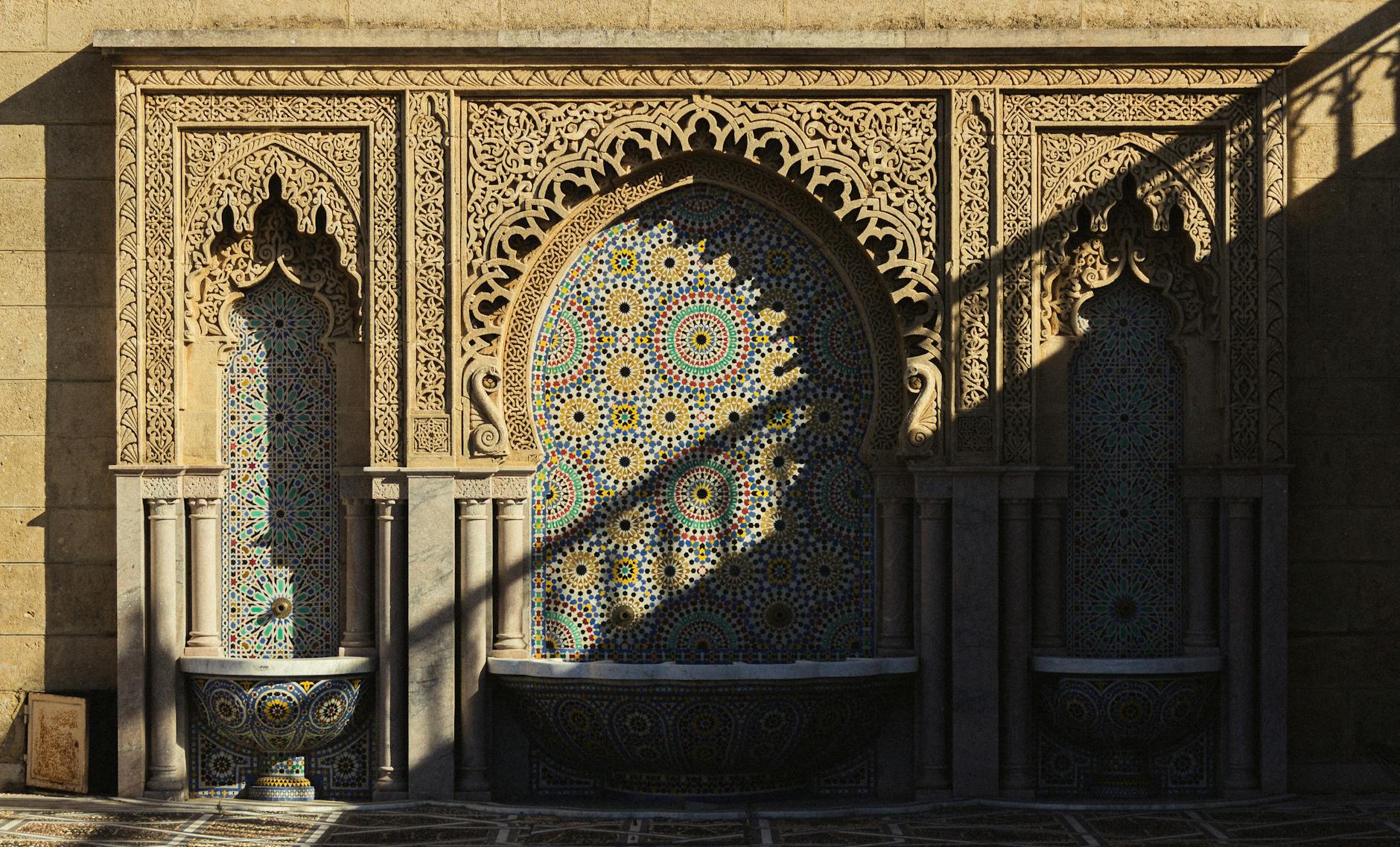
- Mosaic Tiles: Use them as kitchen backsplashes or bathroom accents instead of full wall coverage.
- Greenery: Add potted palms or olive trees for a Mediterranean feel that complements both styles.
For more inspiration on Middle Eastern design, websites like Architectural Digest Middle East often feature stunning Arabic-modern hybrid homes.
Creating Flow Between Rooms
When blending styles, consistency is key. Use repeated design elements — such as similar color accents or patterned rugs — in different rooms to create visual harmony. Open-plan spaces especially benefit from this unified approach.
Where to Source Arabic-Modern Décor
Many designers and creators specialize in this blend, such as Nada Debs, known for merging Middle Eastern craftsmanship with contemporary shapes. Platforms like The Culture Trip also feature artisans creating modern interpretations of traditional décor.
Conclusion
Blending traditional Arabic design with modern style is about honoring heritage while embracing change. By carefully balancing colors, textures, and furniture styles, you can create a home that feels both timeless and contemporary.
Which Arabic-inspired element would you love to bring into your modern home?