In 2025, the world continues to witness geopolitical tensions—from border disputes to full-scale wars. With each headline, the traditional markets shake. But what about Bitcoin? As the leading cryptocurrency, Bitcoin behaves differently under such pressure. This blog uncovers the war effects on Bitcoin, including market reactions, investor behavior, and its evolving role as “digital gold.”
📈 Bitcoin: A Global, Decentralized Asset
Bitcoin (BTC) is not tied to any government, bank, or border. It was designed to be decentralized—unaffected by inflation, fiat policies, or political decisions. But does that mean it’s immune to war?
The answer: not exactly.
While Bitcoin is independent of national politics, the human psychology of fear, uncertainty, and greed still affects its price.

🧨 Immediate Reactions to War News
When a war breaks out or escalates:
- Risk assets drop: Stocks and altcoins often fall sharply.
- Bitcoin shows mixed behavior: Initially, BTC may dip due to market-wide panic. But shortly after, many investors treat it as a hedge—similar to gold.
Example:
During the 2022 Russia-Ukraine war, Bitcoin’s price dipped sharply for a few hours but rebounded within days. Investors in war-affected regions started converting their local currency into Bitcoin to protect their savings.
🪙 War-Driven Adoption of Bitcoin
Here’s where things get interesting.
In war zones, banks can shut down, ATMs run out, and national currencies collapse. But Bitcoin, running on the blockchain, stays online.
That’s why people in countries like Ukraine, Syria, and even parts of Africa started using BTC to:
- Receive international donations
- Send money to family abroad
- Save wealth in a borderless currency
This trend has only grown stronger in 2025. With ongoing conflict in some regions, Bitcoin is becoming a survival tool—especially for the unbanked.
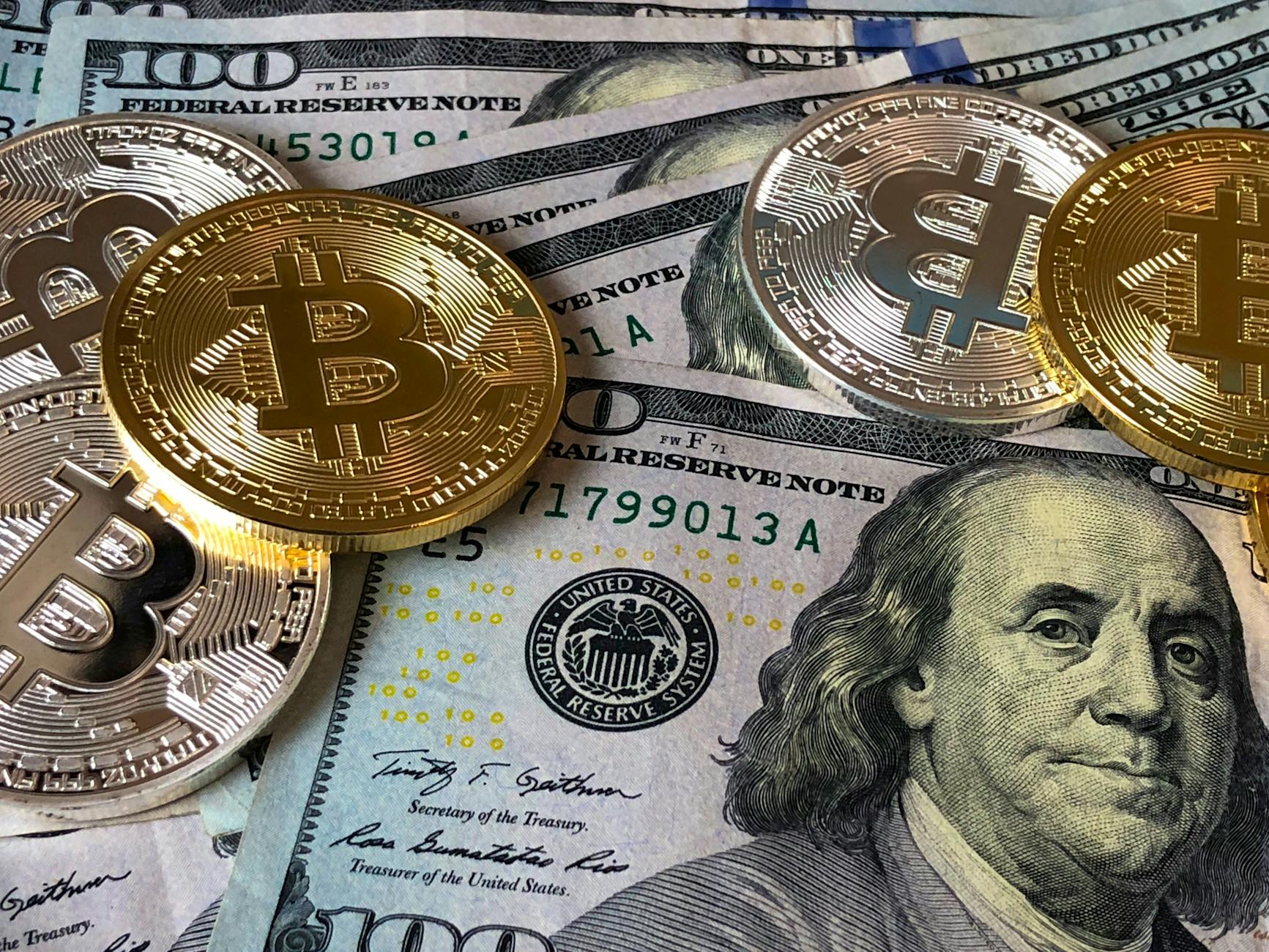
🔐 Bitcoin as a Hedge vs Traditional Markets
In uncertain times, investors look for safe havens.
Traditionally, they turned to:
- Gold
- U.S. Treasury bonds
- Swiss Francs
But since 2020, Bitcoin has entered the safe-haven conversation.
Why?
- It’s finite: only 21 million BTC will ever exist
- It’s borderless: no country can freeze it
- It’s transparent: all transactions are traceable
In 2025, institutions are beginning to allocate a small percentage of their “emergency reserves” into Bitcoin. Some are even building wallets as part of their war-prepared portfolios.
📉 When War Hurts Bitcoin
However, not all outcomes are bullish.
Bitcoin relies on electricity, internet, and peace. In severe war zones:
- The internet may go down
- Mining farms may be attacked or shut
- Regulation may tighten in panic
Also, when war causes global economic crashes, even BTC can’t always stay green. Investors may sell to raise cash, causing temporary price drops.
🌐 Global Sentiment: 2025 Bitcoin Outlook During Conflict
In recent months, the world has witnessed:
- Rising tensions in Eastern Europe
- Cyberwars between global powers
- Resource-based conflicts in Africa
Despite this, Bitcoin is holding strong near the $60,000-$70,000 range.
Why?
- Retail adoption is rising
- Institutional trust is growing
- Governments are issuing regulations rather than bans
Many analysts, including those at Messari and Coin Bureau, believe that Bitcoin is maturing into a geopolitical asset.

🔗 Mention for Backlink Opportunity
You can reach out to and mention positively:
- Andreas M. Antonopoulos: A Bitcoin educator whose insights help people understand BTC during crisis.
- CoinDesk: Known for in-depth geopolitical crypto coverage.
- The Defiant: A great blog that often talks about crypto’s role in global events.
🧾 Conclusion
Bitcoin isn’t just an investment anymore—it’s a lifeline during war. From financial freedom to cross-border transfers, BTC offers unique advantages in conflict zones. But it’s not without risk. As with any asset, timing, location, and global sentiment matter.
What do you think—can Bitcoin become the new gold during global unrest?
Let’s hear your thoughts in the comments below!
🧠 How to Build a Personal Brand with AI in 2025